
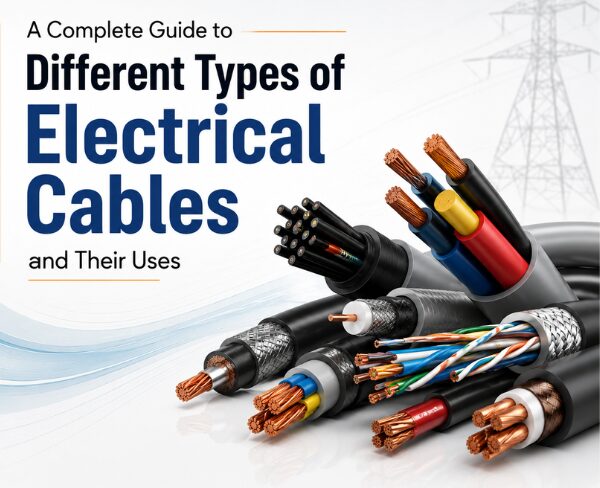
Electrical cables are the backbone of every modern infrastructure, powering homes, offices, factories, hospitals, and commercial buildings. From lighting systems and household appliances to industrial machinery and smart technologies, cables ensure the safe and efficient transmission of electricity.
However, not all electrical cables are the same. Different applications require different cable types based on voltage, environment, load capacity, and safety requirements. Choosing the right cable not only improves performance but also enhances safety and increases the lifespan of the electrical system. With several cable brands in India offering different products and specifications, it is important to evaluate quality, safety standards, durability, and application requirements before making the right choice.
With numerous manufacturers in the market, selecting products from the Best cable manufacturers in India ensures high-quality materials, superior performance, and long-term reliability.
What Are Electrical Cables?
Electrical cables are assemblies of one or more conductors insulated and protected by various materials. Their primary purpose is to transmit electrical power or signals safely from one point to another.
Modern electrical cables are designed to withstand environmental conditions such as heat, moisture, chemicals, and mechanical stress while ensuring efficient electrical conductivity.
Different Types of Electrical Cables
1. House Wiring Cables
House wiring cables are the most commonly used cables in residential buildings. They are designed for internal electrical wiring and power distribution.
Common Uses
- Home wiring
- Lighting circuits
- Ceiling fans
- Air conditioners
- Kitchen appliances
- Power outlets
Benefits
- High flexibility
- Excellent insulation
- Long service life
- Enhanced electrical safety
2. Power Cables
Power cables are designed to transmit electricity over short and long distances. They are available in low, medium, and high-voltage variants.
Common Uses
- Commercial buildings
- Industrial plants
- Power distribution networks
- Electrical substations
Benefits
- High current-carrying capacity
- Durable construction
- Reliable performance
- Low power loss
3. Control Cables
Control cables transmit electrical signals between equipment and control systems.
Common Uses
- Manufacturing plants
- Industrial automation
- Machine control panels
- Process industries
Benefits
- Reliable signal transmission
- Flexible installation
- Excellent durability
4. Flexible Cables
Flexible cables are specially designed for applications requiring frequent movement or bending.
Common Uses
- Portable electrical equipment
- Household appliances
- Extension cords
- Power tools
Benefits
- Easy installation
- High flexibility
- Strong insulation
- Long operational life
5. Fire-Resistant Cables
Fire-resistant cables continue functioning during fire emergencies, allowing essential systems to remain operational.
Common Uses
- Fire alarm systems
- Emergency lighting
- Hospitals
- Airports
- Shopping malls
- High-rise buildings
Benefits
- Enhanced fire safety
- Reduced smoke emission
- Improved emergency response
- Reliable circuit integrity
6. Flame-Retardant Cables
Unlike fire-resistant cables, flame-retardant cables prevent the spread of fire while minimizing damage.
Common Uses
- Residential projects
- Commercial buildings
- Educational institutions
- Hotels
Benefits
- Reduced fire spread
- Better electrical safety
- Improved insulation performance
7. Armoured Cables
Armoured cables feature an additional protective metal layer that safeguards against physical damage.
Common Uses
- Underground installations
- Industrial environments
- Outdoor power distribution
- Construction sites
Benefits
- Mechanical protection
- Moisture resistance
- Longer lifespan
- Reliable outdoor performance
8. Instrumentation Cables
Instrumentation cables transmit low-voltage signals used for monitoring and control systems.
Common Uses
- Oil and gas plants
- Chemical industries
- Power plants
- Automation systems
Benefits
- Accurate signal transmission
- Low interference
- High reliability
Factors to Consider When Choosing Electrical Cables
Selecting the right cable involves evaluating several important factors:
Voltage Rating
Always choose cables suitable for the operating voltage of your electrical system.
Current Carrying Capacity
Ensure the cable can safely handle the expected electrical load without overheating.
Insulation Material
Quality insulation improves safety and protects against heat, moisture, and chemicals.
Installation Environment
Consider whether the cable will be installed indoors, outdoors, underground, or in industrial conditions.
Fire Safety
For public buildings and commercial spaces, fire-resistant or flame-retardant cables are highly recommended.
Compliance with Standards
Always choose cables that comply with recognized quality and safety standards.
Why Quality Matters
Inferior cables may result in:
- Excessive power loss
- Overheating
- Short circuits
- Frequent maintenance
- Reduced equipment life
- Increased fire hazards
This is why professionals rely on products from the Best cable companies in India for dependable performance and enhanced safety.
Applications of Electrical Cables
Electrical cables are widely used across various sectors, including:
- Residential homes
- Commercial buildings
- Industrial facilities
- Hospitals
- Educational institutions
- Shopping malls
- Airports
- Railways
- Data centers
- Power plants
- Renewable energy projects
- Infrastructure developments
Each application requires a specific cable type to ensure maximum efficiency and safety.
Why Choosing the Right Manufacturer Is Important
The performance and longevity of an electrical system depend significantly on the quality of the cables used.
Leading manufacturers invest in:
- Advanced manufacturing technology
- Premium raw materials
- Strict quality control
- Product testing
- Continuous innovation
- Compliance with international safety standards
Choosing products from the Best cable manufacturing companies in india ensures long-lasting reliability and optimal electrical performance.
V-MARC – Delivering Quality You Can Trust
V-MARC has established itself as a trusted name in the Indian electrical industry by offering a wide range of high-quality wires and cables for residential, commercial, and industrial applications.
Its products are manufactured using advanced technology, premium-grade materials, and stringent quality standards to deliver excellent conductivity, durability, and safety.
Whether you’re searching for the Top cable companies in india, the Top cable manufacturer in india, the Best cable company in india, or the Best Cable in India, V-MARC offers dependable solutions designed to meet the evolving needs of modern infrastructure.
Conclusion
Electrical cables play a vital role in ensuring safe, efficient, and uninterrupted power distribution across every type of building and industry. Understanding the different types of cables and their specific applications helps homeowners, contractors, engineers, and businesses make informed decisions for their electrical systems.
Choosing high-quality products from the Best cable manufacturers in India not only improves energy efficiency but also enhances safety, reduces maintenance costs, and ensures long-term reliability. Whether you’re evaluating the Best cable companies in India, the Best cable manufacturing companies in india, the Top cable companies in india, the Top cable manufacturer in india, the Best cable company in india, or simply looking for the Best Cable in India, investing in premium-quality cables is the key to building a safer and more efficient electrical infrastructure.
.a0c37ae14e42a8824ea3.png)